

The Orkney Islands, an archipelago off the northern coast of Scotland, hold secrets and stories that span thousands of years. From ancient stone circles older than Stonehenge to tales of wartime intrigue and unusual wildlife, these islands pack an incredible amount of fascination into their windswept landscape. Whether you’re planning a visit, helping with homework, or simply curious about one of Scotland’s most remarkable regions, these Orkney Islands facts will reveal why this group of islands continues to captivate visitors from around the world.
This collection of facts covers everything from prehistoric wonders to modern-day quirks, with something to surprise and delight readers of all ages. To experience these wonders firsthand, consider booking Full Day Tours in Orkney to explore the islands’ incredible heritage and hidden gems. Let’s explore what makes Orkney truly unique.
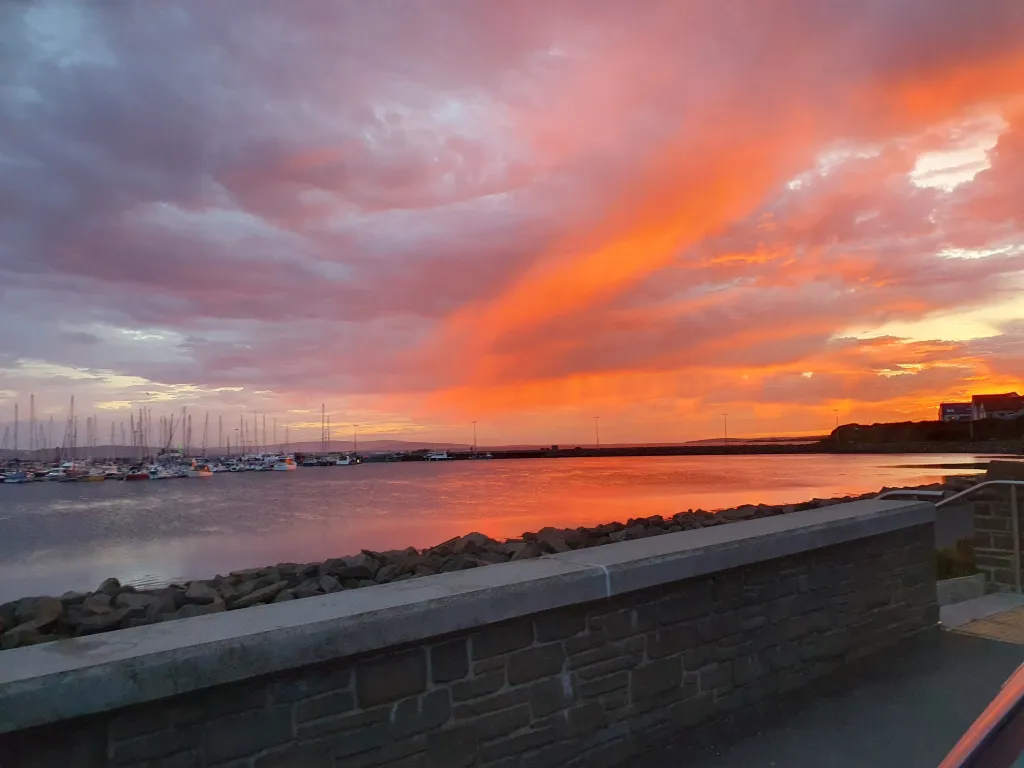
Orkney Islands Facts about Ancient History & Archaeological Wonders
The Heart of Neolithic Orkney
Orkney is home to some of the world’s most important prehistoric sites. The Heart of Neolithic Orkney is a UNESCO World Heritage Site that includes Skara Brae, the Ring of Brodgar, the Standing Stones of Stenness, and Maeshowe. These monuments are older than both Stonehenge and the Egyptian pyramids, dating back over 5,000 years. Skara Brae, often called “Scotland’s Pompeii,” is one of the best-preserved Neolithic settlements in Europe, complete with stone furniture, beds, and dressers that give us an incredible glimpse into ancient daily life.
The World’s Oldest Known Toilets
Among the fascinating facts about Orkney is that Skara Brae contains what are believed to be the world’s first indoor toilets. These Neolithic homes had sophisticated drainage systems, demonstrating that ancient Orkney people were far more advanced than many realize.
Viking Legacy Runs Deep
The islands were under Norse rule for over 600 years, from the 9th to the 15th century. The name “Orkney” itself comes from the Old Norse “Orkneyjar,” meaning “seal islands.” Many place names across the islands still reflect this Viking heritage, with Norse-derived names like Stromness, Kirkwall, and Shapinsay. The Orkneyinga Saga, a historical narrative written in Iceland around 1200 AD, details the history of the Earls of Orkney and remains an important historical text.
St Magnus Cathedral’s Unique Ownership
Kirkwall’s stunning St Magnus Cathedral, built from red and yellow sandstone starting in 1137, has an unusual distinction. Unlike most British cathedrals, it doesn’t belong to the Church of Scotland or any religious organization. The cathedral is actually owned by the people of Kirkwall Orkney, having been gifted to the town by King James III of Scotland in 1486.

Geography & Island Facts
An Archipelago of Over 70 Islands
The Orkney Islands comprise approximately 70 islands and islets, though only about 20 are inhabited today. The largest island, known as Orkney Mainland, contains the two main towns of Kirkwall and Stromness. The North Isles include islands like Westray, Papa Westray, Sanday, and Stronsay, each with their own distinct character and communities.
Closer to Norway Than to London
Located just 10 miles off the northern coast of the Scottish mainland, Orkney sits at the meeting point of the North Sea and the Atlantic Ocean. Interestingly, the islands are actually closer to Bergen in Norway than they are to London, a fact that reflects their historical Norse connections. This strategic position has shaped Orkney’s history, culture, and identity throughout the centuries.
The Shortest Scheduled Flight in the World
Orkney rocks the record books with the world’s shortest scheduled passenger flight, which operates between the islands of Westray and Papa Westray. This flight takes just 1.5 to 2 minutes on a good day with favorable winds, covering a distance of only 1.7 miles. Despite its brevity, it’s an essential lifeline for island communities and holds a Guinness World Record.
Mild Climate Thanks to the Gulf Stream
Despite their northerly latitude, the Orkney Islands enjoy a surprisingly temperate climate due to the warming effects of the Gulf Stream. Winters are milder than much of mainland Scotland, and snow is relatively rare. However, the islands are famously windy, with gales a regular occurrence throughout the year. The strong winds have made Orkney a leader in renewable energy, with wind turbines generating more electricity than the islands consume.
A Landscape Shaped by Sandstone
The distinctive appearance of Orkney’s landscape comes from its underlying Old Red Sandstone geology. These red and yellow rocks, formed over 400 million years ago, create dramatic cliffs, natural arches, and the striking buildings seen across the islands. The ease of working with this sandstone is one reason why Neolithic Orkney developed such sophisticated stone architecture.

Fascinating Wildlife & Nature
Puffins, Seals, and Seabirds Galore
Orkney is a paradise for wildlife enthusiasts. The islands host massive seabird colonies, including puffins, guillemots, razorbills, and Arctic terns. Between April and August, puffins nest on sea cliffs and can be spotted on several islands. Grey and common seals are year-round residents, often seen lounging on rocks or bobbing in the water near the shore. For those wanting to get closer to the action, Orkney Island Boat Trips offer excellent wildlife viewing opportunities.
The Rare Primula Scotica
The rare tiny purple Primula Scotica flower is one of Scotland’s rarest plants and grows almost exclusively in Orkney, Caithness, and Sutherland. This delicate purple flower blooms twice a year, in May and July, and thrives in the islands’ short coastal grasslands. Finding this botanical treasure is a special moment for nature lovers visiting the archipelago.
Seaweed-Eating Sheep of North Ronaldsay
One of the most unusual fun facts about the Orkney Islands involves the sheep of North Ronaldsay. These unique animals live on a diet consisting largely of seaweed, as they’re kept off the island’s grassland by a stone wall that encircles the entire island. This 13-mile dry-stone dyke, built in 1832, forces the sheep to forage along the shoreline. The seaweed diet has given these sheep a distinctive flavor and made them genetically distinct from other British breeds.
An Internationally Important Wetland
The Loch of Stenness and surrounding areas form part of an internationally important wetland system. These shallow lochs attract thousands of migrating birds each year and support diverse marine and freshwater ecosystems. The transition from freshwater to saltwater environments creates unique habitats found in few other places in the world.
Orkney Voles: A Scientific Mystery
Orkney is home to a unique subspecies of vole (the Orkney vole) that’s genetically distinct from mainland populations. Scientists believe these voles were accidentally brought to the islands by Neolithic settlers around 5,000 years ago, making them one of the earliest examples of human-assisted animal migration in Britain.
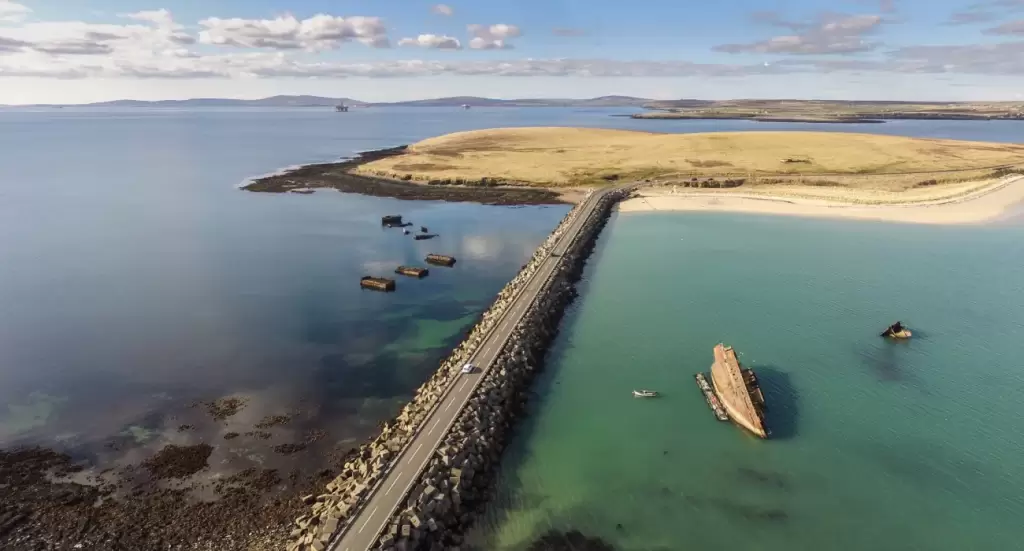
War History & Military Heritage
Scapa Flow: One of the World’s Great Natural Harbors
Scapa Flow, the body of water at the heart of Orkney, played a crucial role in both World Wars. This vast natural harbor could accommodate the entire British Home Fleet and served as the Royal Navy’s main base during wartime. The protected waters, surrounded by islands, made it one of the most strategically important naval bases in the world.
The German Fleet’s Final Resting Place
One of the most dramatic events in naval history occurred in Scapa Flow on June 21, 1919. The interned German High Seas Fleet, consisting of 74 ships, was deliberately scuttled by its own crews rather than be divided among the Allied powers. Fifty-two ships sank that day in what remains the largest act of maritime sabotage in history. Today, seven of these warships still rest on the seabed, making Scapa Flow one of the world’s premier dive sites and an underwater war grave.
The Churchill Barriers
Following a German U-boat attack in October 1939 that sank HMS Royal Oak with the loss of 833 lives, Prime Minister Winston Churchill ordered the construction of four causeways to block the eastern approaches to Scapa Flow. These Churchill Barriers were built largely by Italian prisoners of war between 1940 and 1944. Today, these barriers serve as the main road connections between Mainland Orkney and the southern islands of Burray and South Ronaldsay.
The Italian Chapel: Beauty from Conflict
Italian POWs working on the Churchill Barriers created something beautiful from their wartime imprisonment. Using two Nissen huts, scrap metal, and concrete, they built the remarkable Italian Chapel on Lamb Holm. This ornate chapel, decorated with paintings and intricate details, stands as a symbol of faith, hope, and reconciliation, and remains one of Orkney’s most visited attractions.
Britain’s First Civilian Casualty of WWII
The first British civilian to die in World War II was James Isbister, killed during a German air raid on Orkney on March 16, 1940. A bridge on South Ronaldsay now bears his name, commemorating this tragic milestone in war history.
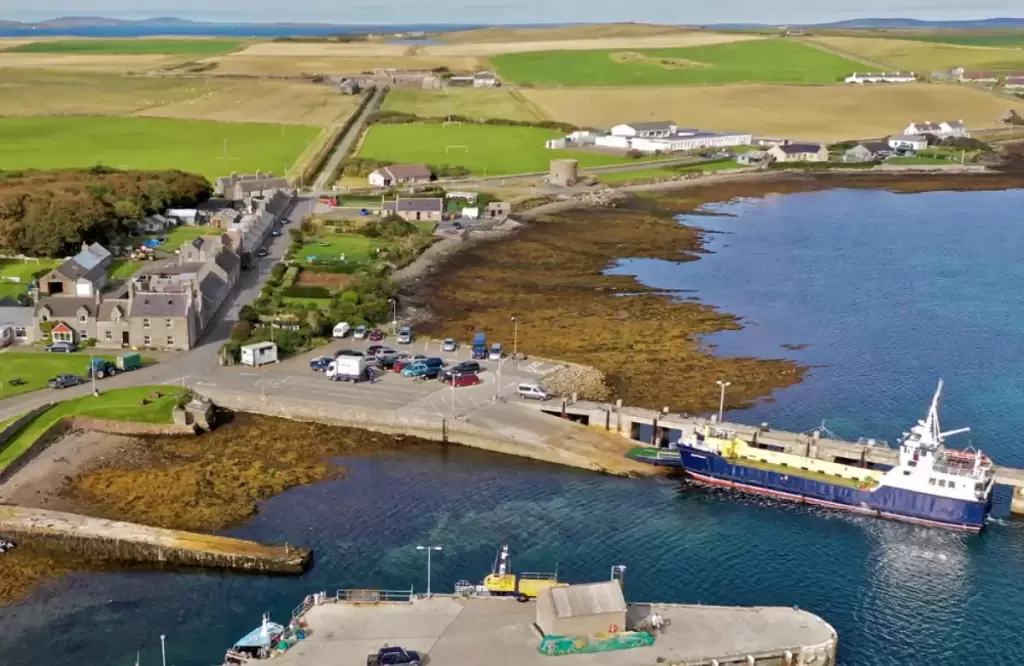
Culture, Towns & Modern Life in Scotland’s Northern Islands
Kirkwall and Stromness: Orkney’s Twin Hearts
The islands have two main towns, each with a distinct character. Kirkwall, the capital, is home to around 9,000 people and centers around the magnificent St Magnus Cathedral. Its winding main street, one of the best-preserved examples of an ancient Norse town layout in Scotland, is packed with independent shops and historic buildings.
Stromness Orkney, the islands’ second town, was once a major hub for the Hudson’s Bay Company, which recruited Orcadians for their fur-trading posts in Canada. The town’s narrow, flagstone streets and harbor-side location give it a unique maritime charm. Stromness remains an important ferry port, connecting Orkney to the Scottish mainland.
More Cattle Than People
Here’s a fun fact: Orkney has more cattle than people! The islands are renowned for their high-quality beef, with Orkney beef holding Protected Geographical Indication status. Agriculture remains central to island life, with farming practices adapted to the treeless landscape and strong winds.
Orkney Dialect: A Language Apart
Orkney people speak with a distinctive dialect that reflects their Norse heritage. Words like “peedie” (small) and “bruck” (rubbish) are everyday vocabulary, while phrases retain grammatical structures from Old Norse. This linguistic uniqueness is part of what makes Orkney culture so distinctive within Scotland.
The Ba’ Game: Kirkwall’s Traditional Street Football
Every Christmas Day and New Year’s Day, Kirkwall hosts the Ba’ game, a mass street football match that dates back centuries. Hundreds of players, divided into the “Uppies” and “Doonies” (based on where they were born in town), battle through the streets for hours. There are no written rules, no time limit, and no referee – just tradition and community spirit.
A Hub for Renewable Energy
Modern Orkney is a world leader in renewable energy technology. The islands generate more electricity from wind and tidal power than they consume, making them a testing ground for cutting-edge green energy solutions. This commitment to sustainability honors Orkney’s past while building its future.
Orkney Food and Drink Excellence
The islands produce exceptional local food and drink, from award-winning cheeses and oatcakes to world-class whisky. Highland Park and Scapa distilleries create distinctive single malts influenced by the islands’ maritime climate. Orkney fudge, ice cream, and beer have gained devoted followings far beyond the islands’ shores.